Choosing a card machine in Nottinghamshire

Most people choose a card machine on the headline rate and then spend four years regretting everything around it. Here is what actually decides whether a terminal suits you.
Where the payment happens
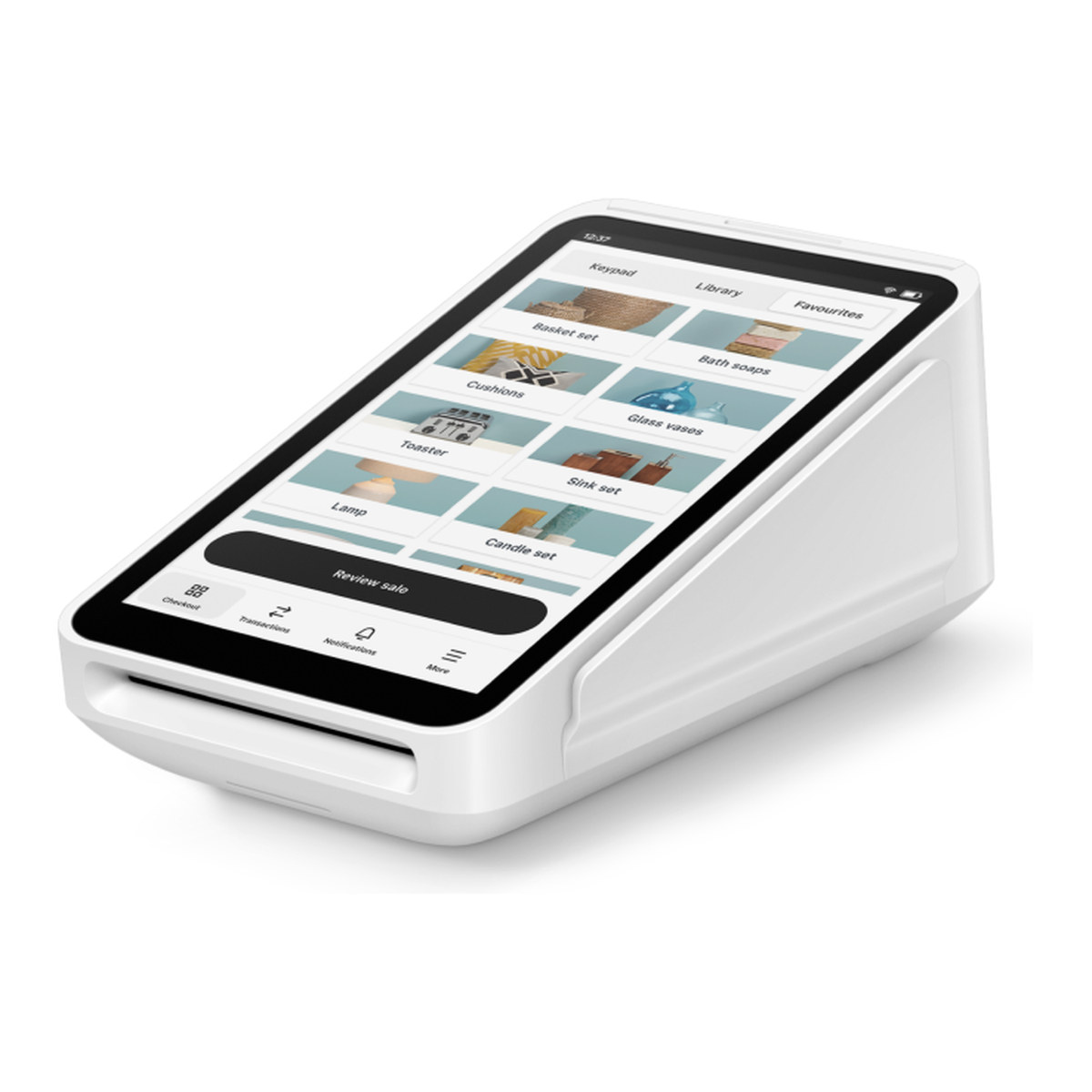
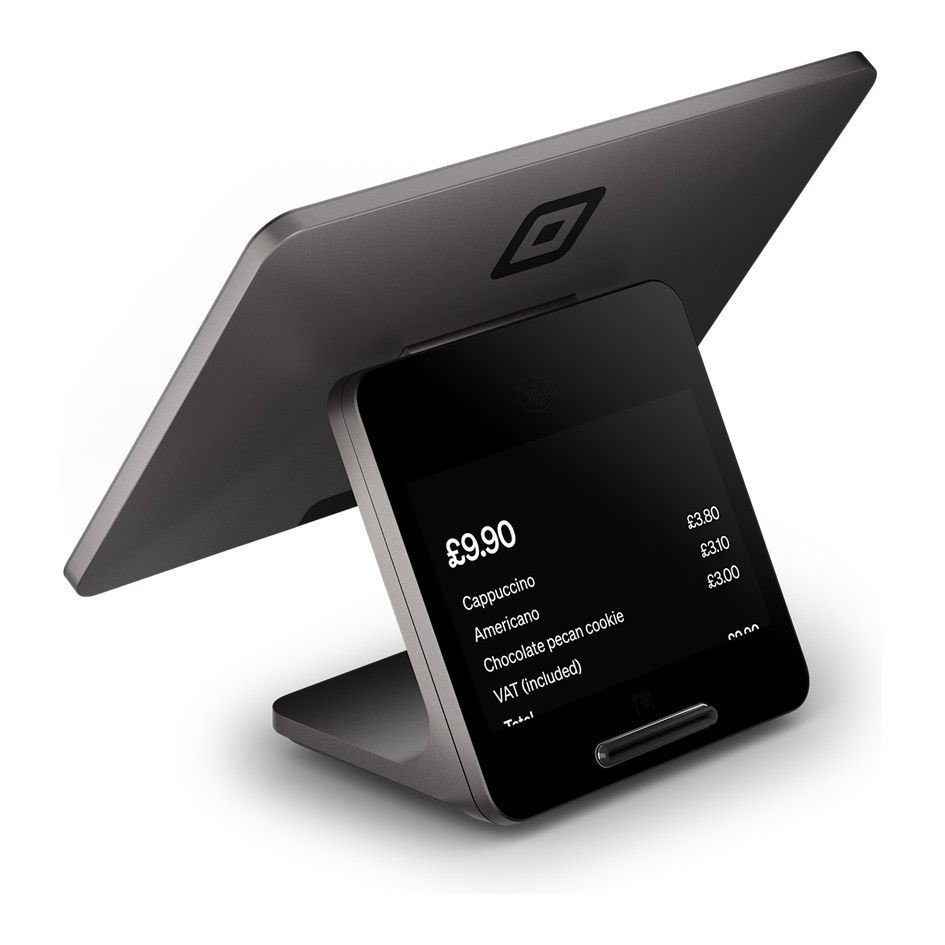
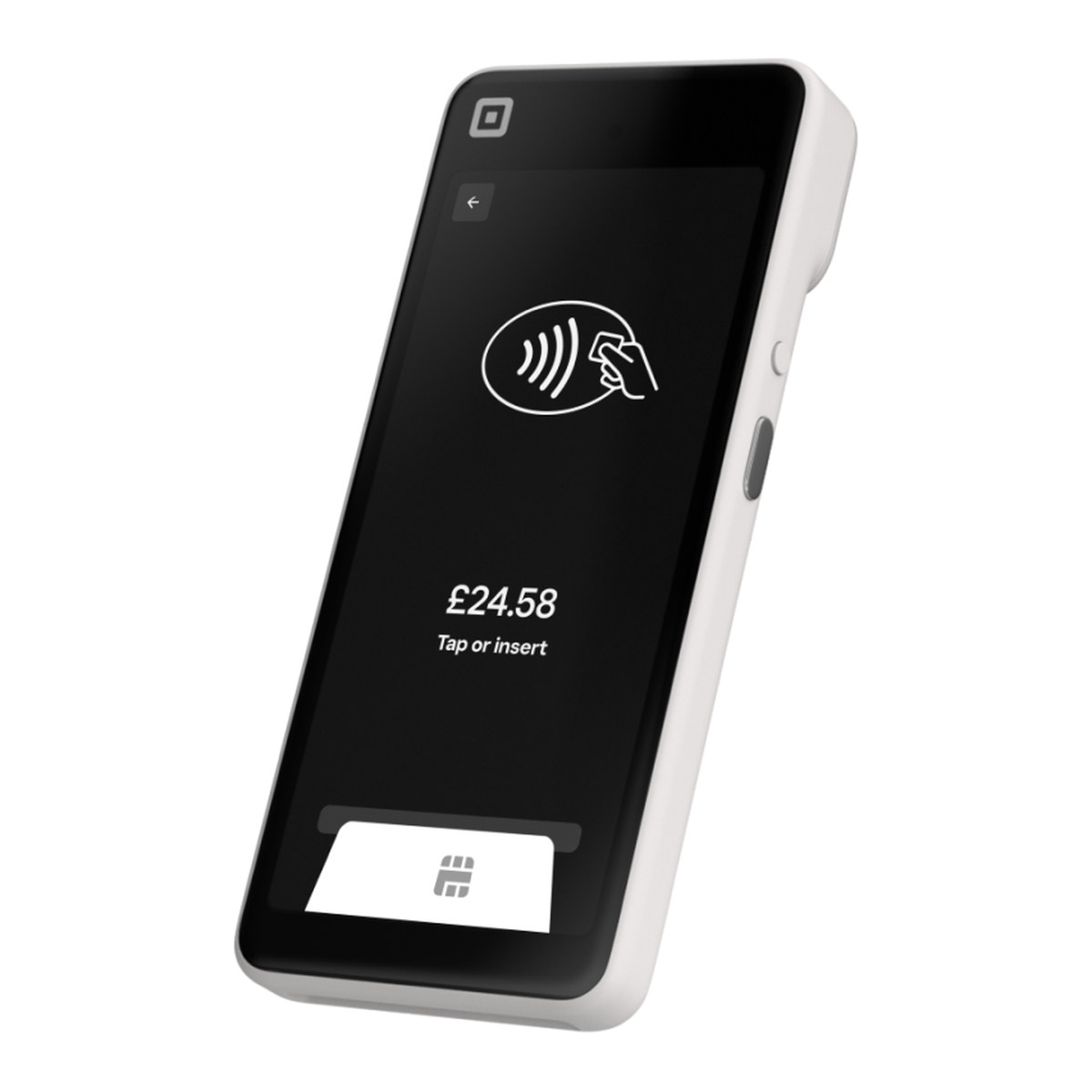
This is the question that settles most of it. If every sale happens at one counter, a fixed terminal is fine and usually cheaper. If you take payment at a table, at a chair, or out at a display unit, you need something portable and you need to know it holds signal in your building.
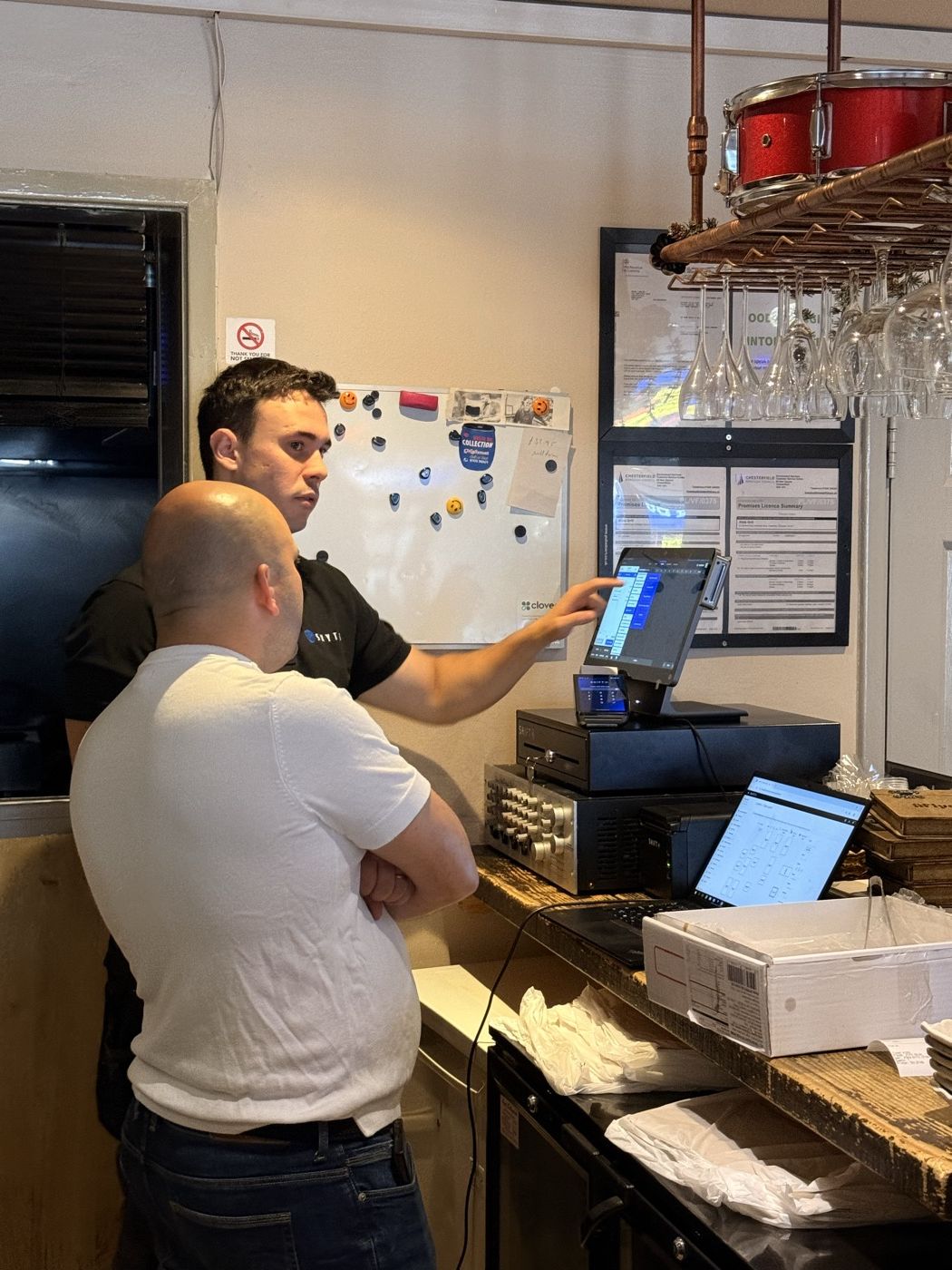
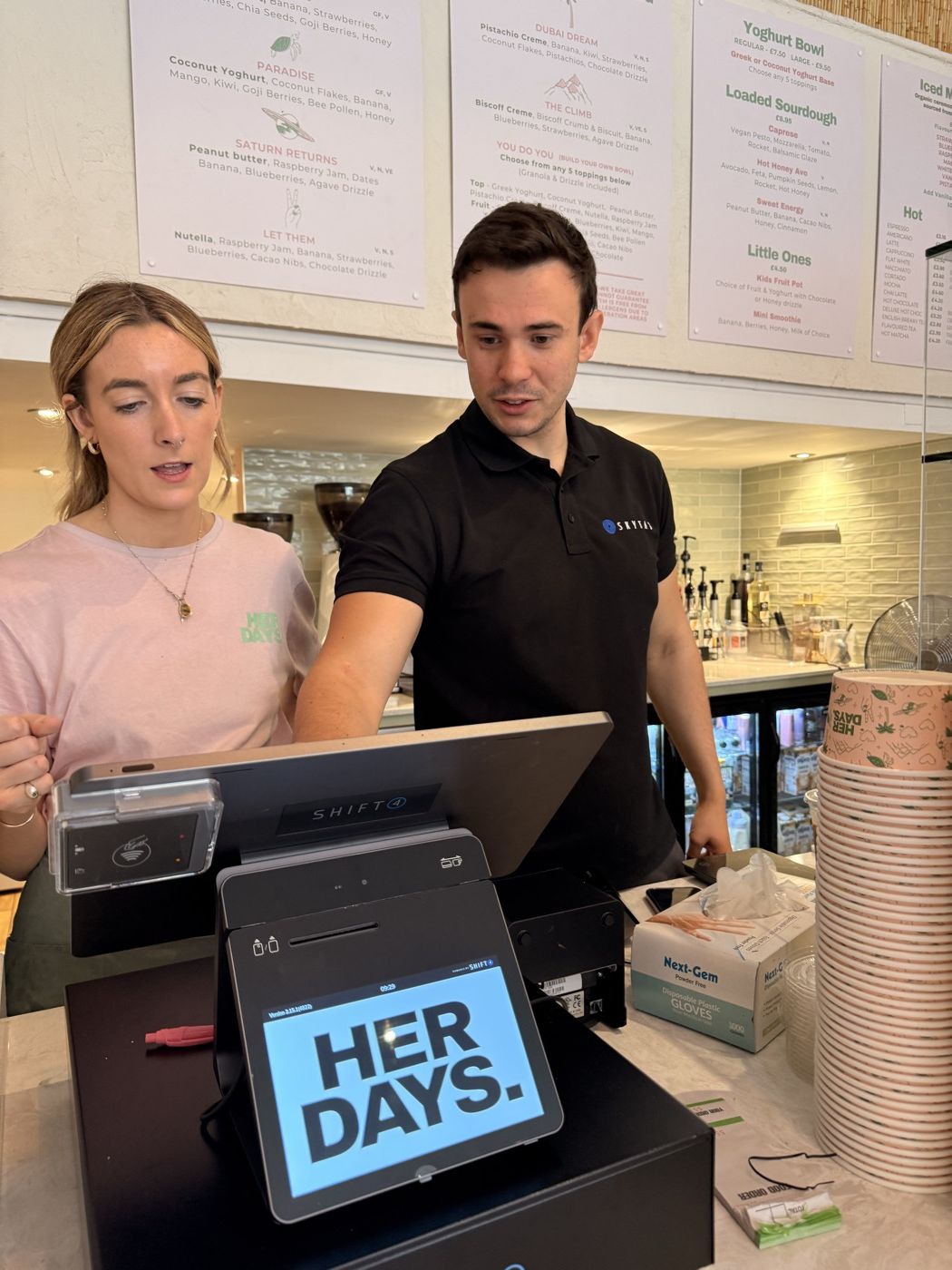
We fit a lot of places where the answer changed once we watched a service. A salon that thought it needed a counter till actually needed to take payment at the chair, because that is when the next appointment gets booked.
Whether it works when the internet does not
Ask what happens when the broadband drops. Some terminals keep taking payment offline and sync later. Some stop dead. In a village with patchy lines or a unit with thick walls, that difference is the whole decision.
Test it in the building, not in a shop. We do this on every install and it has changed the spec more than once.
What else is on the bill
The rate is one line. The things that catch people out are the separate hardware lease, the PCI fee, the monthly minimum, the statement fee and the notice period. Add every line on your current statement, divide by your card turnover, and you have your real cost. It is almost always higher than the number you were sold.
Who answers when it breaks
A card machine failing at seven on a Saturday is not a support ticket, it is a queue out of the door. Ask who you actually ring and whether they have ever stood in a place like yours.
That is the part we built the business on, and it is the reason we only cover an area we can drive to.
The short version
Work out where payment happens, test the signal in your building, add up every line on your statement, and find out who picks up the phone. The rate matters, but it is rarely what causes the regret.